

Teaching Children How to Pray for Others
Prayer is one of the greatest gifts God has given to His children. Through prayer, we communicate with our Heavenly Father, share our hearts, express gratitude, seek guidance, and bring our concerns before Him. While many children learn to pray for their own needs, it is equally important to teach them how to pray for others.
Praying for others, often called intercessory prayer, helps children develop compassion, empathy, and a deeper understanding of God's love. It teaches them to look beyond their own circumstances and care about the needs of people around them.
As children learn to pray for family members, friends, neighbors, teachers, and even people they have never met, they begin to reflect the heart of Christ in powerful ways.
The good news is that teaching children to pray for others does not have to be complicated. Simple, consistent guidance can help them develop a lifelong habit of caring for others through prayer.
Why It Is Important for Children to Pray for Others
Children naturally tend to focus on their own needs, which is a normal part of development. However, prayer provides an opportunity to help them think beyond themselves and recognize the needs of others.
When children pray for others, they learn:
Compassion
Kindness
Empathy
Generosity
Faith in God's power
Concern for others
Prayer helps children understand that God cares about everyone, not just themselves.
The Bible encourages believers:
"Therefore I exhort first of all that supplications, prayers, intercessions, and giving of thanks be made for all men." — 1 Timothy 2:1 (NKJV)
This instruction applies to children as well as adults.
Help Children Understand What Prayer Is
Before teaching children to pray for others, it is important that they understand what prayer actually is.
Prayer is simply talking with God.
Children do not need special words or perfect sentences. God listens to sincere hearts.
Parents can explain:
God hears every prayer.
God cares about people.
God wants us to pray for others.
Prayer is an act of love.
Keeping explanations simple helps children feel comfortable approaching God with confidence.
Jesus welcomed children and encouraged simple faith.
Teach by Example
One of the most effective ways to teach children how to pray is by letting them hear you pray.
Children learn by observing the adults around them.
When parents regularly pray for others, children begin to understand that caring for people through prayer is a normal part of Christian life.
Let your children hear you pray for:
Family members
Friends
Church leaders
Neighbors
People who are sick
Missionaries
Community needs
These prayers demonstrate what intercession looks like in everyday life.
The Apostle Paul encouraged believers:
"Imitate me, just as I also imitate Christ." — 1 Corinthians 11:1 (NKJV)
Children often follow the example they see at home.
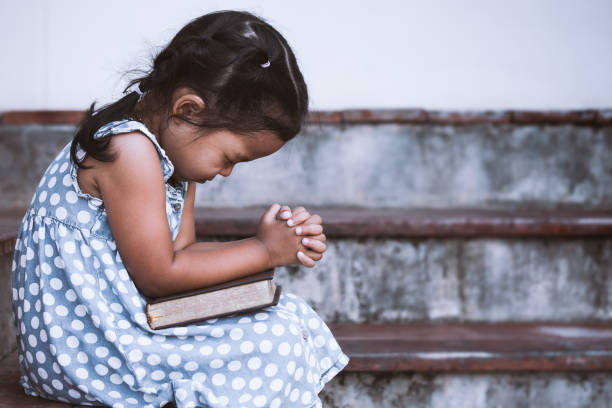
Start with People They Know
Teaching children to pray for others becomes easier when they begin with familiar people.
Encourage them to pray for:
Parents
Siblings
Grandparents
Friends
Teachers
Classmates
For example:
"Dear God, please help Grandma feel better."
"Lord, help my friend have a good day at school."
Simple prayers help children build confidence and understand that God cares about the people they love.
As children grow, they can gradually expand their prayers to include wider needs.
Use Everyday Situations as Prayer Opportunities
Daily life provides countless opportunities to teach children to pray for others.
If they hear about someone who is sick, encourage them to pray.
If a friend is struggling, pause and pray together.
If they see someone in need, use the moment to talk about how prayer can help.
These real-life situations make prayer practical and meaningful.
Deuteronomy 6:7 reminds parents to teach spiritual truths throughout daily life:
"You shall teach them diligently to your children, and shall talk of them when you sit in your house, when you walk by the way, when you lie down, and when you rise up." — Deuteronomy 6:7 (NKJV)
Prayer lessons often happen best in ordinary moments.
Teach Children to Pray with Compassion
Jesus showed deep compassion for people throughout His ministry.
When teaching children to pray, help them think about how others might be feeling.
Ask questions such as:
How do you think your friend feels right now?
What do you think this person needs?
How can we pray for them?
These conversations help children develop empathy and genuine concern for others.
The Bible says:
"Rejoice with those who rejoice, and weep with those who weep." — Romans 12:15 (NKJV)
Prayer allows children to participate in both joys and struggles alongside others.
Create a Family Prayer List
A family prayer list can be a wonderful tool for teaching children to pray for others consistently.
The list might include:
Family members
Friends
Church leaders
Missionaries
Community needs
Special requests
Review the list regularly and celebrate answered prayers together.
When children see God answering prayers, their faith grows.
They begin to understand that prayer is not merely a routine but a real conversation with a God who listens and responds.
Teach Children to Pray for Difficult People
One of the most challenging but valuable lessons is teaching children to pray for people who may have hurt them or treated them unfairly.
Jesus taught:
"Love your enemies, bless those who curse you, do good to those who hate you, and pray for those who spitefully use you and persecute you." — Matthew 5:44 (NKJV)
Children may struggle with this concept, but it helps them learn forgiveness and grace.
If a child has conflict with a classmate or sibling, encourage them to pray for that person.
This practice softens hearts and teaches children to respond with love rather than resentment.
Keep Prayer Simple and Natural
Some children feel nervous about praying out loud because they worry about saying the wrong thing.
Remind them that God is not looking for perfect words.
Simple prayers are powerful prayers.
Examples include:
"Lord, help my friend today."
"Please heal Grandpa."
"Thank You for my teacher."
"Help those who are sad."
Keeping prayer simple removes pressure and encourages participation.
Jesus Himself taught that prayer does not need to be filled with many words.
God looks at the heart.
Celebrate Answered Prayers
One of the best ways to encourage children in prayer is by helping them recognize answered prayers.
When God answers a prayer:
Talk about it.
Thank God together.
Record it in a prayer journal.
Share the story with family members.
These moments strengthen faith and help children understand that prayer matters.
Psalm 66:19 says:
"But certainly God has heard me; He has attended to the voice of my prayer." — Psalm 66:19 (NKJV)
Children gain confidence when they see evidence of God's faithfulness.
Pray for the World Together
As children mature, help them develop a broader view of God's family.
Teach them to pray for:
Missionaries
Countries facing hardship
Persecuted Christians
Community leaders
People affected by disasters
These prayers help children understand that God's love extends far beyond their immediate surroundings.
They begin to see themselves as part of God's larger mission in the world.
Be Patient as Children Learn
Prayer is a skill that develops over time.
Some children will pray confidently. Others may be shy or hesitant.
The goal is not to force lengthy prayers but to encourage a growing relationship with God.
Celebrate small steps.
A simple prayer spoken sincerely is meaningful to God.
As children mature spiritually, their understanding and confidence will continue to grow.
Conclusion
Teaching children how to pray for others is one of the most valuable lessons parents can provide. Through intercessory prayer, children learn compassion, empathy, faith, and love for those around them.
By modeling prayer, creating opportunities for practice, and helping children understand God's heart for people, parents can nurture a lifelong habit of caring for others through prayer.
These simple prayers may seem small today, but they can shape children's hearts for years to come. As they learn to bring the needs of others before God, they grow in faith and become more like Christ.
Most importantly, they discover that prayer is not just about asking God for what they need—it is about partnering with Him in caring for the people He loves.
"The effective, fervent prayer of a righteous man avails much." — James 5:16 (NKJV)
As children learn to pray for others, they begin to experience the joy of seeing God work in the lives of those around them, one prayer at a time.

Facebook
Instagram
Youtube
TikTok
Facebook
Website
LinkedIn