
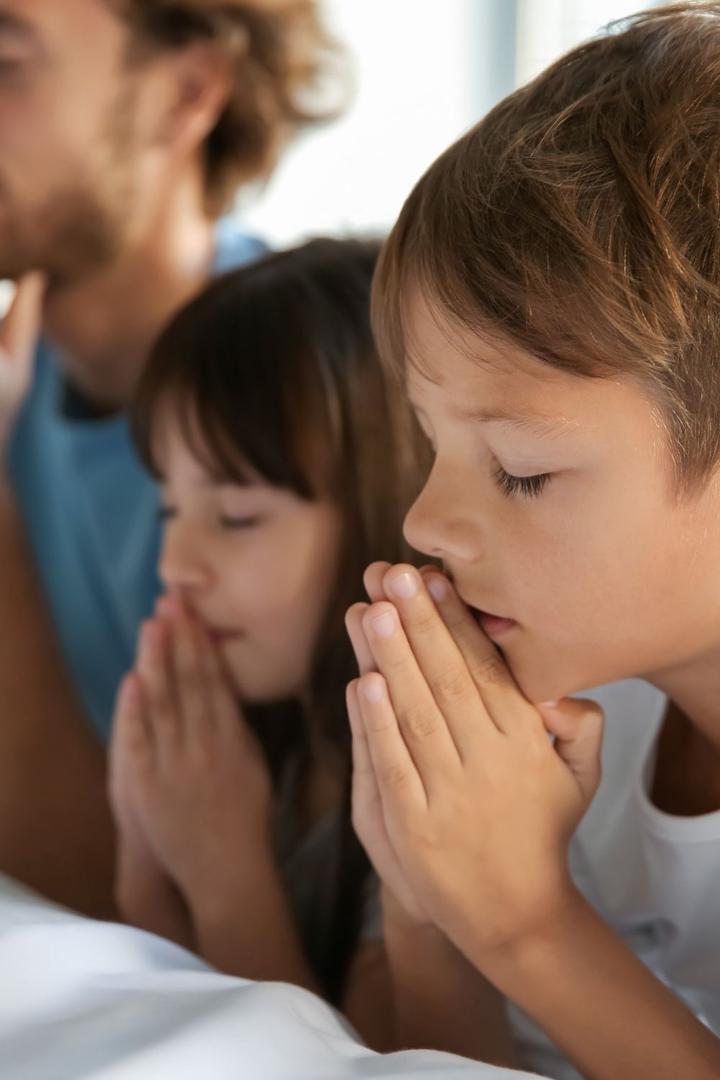
Helping Children Understand the Power of Prayer
Teaching children about prayer is one of the most meaningful ways to guide them into a lifelong relationship with God. In a world filled with distractions, noise, and uncertainty, helping children understand the power of prayer gives them a foundation they can rely on no matter their age or situation.
Prayer is not just a routine or a religious activity; it is a personal conversation with God. When children understand this, prayer becomes real, comforting, and powerful in their everyday lives.
What Is Prayer and Why Does It Matter for Children?
At its simplest, prayer is talking to God. It is sharing your thoughts, your feelings, your worries, and your gratitude with Him. Children need to know that prayer is not about perfect words, it is about a sincere heart.
The Bible reminds us in 1 Thessalonians 5:17 (NKJV):
“Pray without ceasing.”
This means prayer is not limited to certain times or places. Children can pray anywhere before school, during play, at bedtime, or even in moments of fear or confusion.
When children learn this early, they begin to see God as present in every part of their lives.
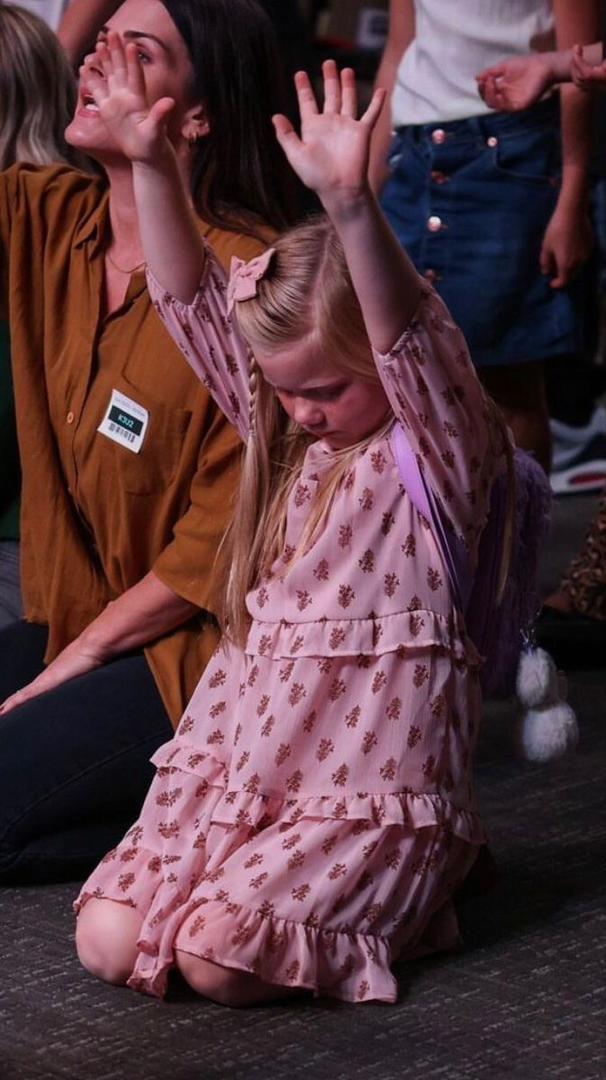
Helping Children See Prayer as a Relationship, Not a Routine
One of the biggest challenges is helping children move beyond memorized prayers into a real connection with God. While teaching them simple prayers is a good start, it’s important to encourage them to speak to God in their own words.
You can gently guide them by asking:
“What do you want to thank God for today?”
“Is there anything you want God to help you with?”
“Who can we pray for?”
This helps children understand that prayer is personal. It builds a relationship, not just a habit.
The Bible says in Jeremiah 33:3 (NKJV):
“Call to Me, and I will answer you, and show you great and mighty things, which you do not know.”
This reassures children that God listens and responds.
Teaching Children That God Listens to Them
Children sometimes think God only listens to adults or “important” prayers. It’s important to remind them that God cares about everything that concerns them, even the small things.
Jesus Himself showed how much He values children. In Matthew 19:14 (NKJV), He said:
“Let the little children come to Me, and do not forbid them; for of such is the kingdom of heaven.”
This is a powerful reminder that children are welcome in God’s presence, and their prayers matter deeply to Him.
When children know they are heard, they become more confident in praying.
Showing the Power of Prayer Through Everyday Life
Children learn best by example. When they see parents or caregivers pray, not just in church, but in daily life, they begin to understand that prayer is powerful and real.
Let them see you:
Pray during difficult situations
Thank God for blessings
Ask God for guidance
When challenges come, involve them in prayer. For example, if someone is sick, pray together. If there’s a problem at school, pray about it together.
The Bible says in Philippians 4:6 (NKJV):
“Be anxious for nothing, but in everything by prayer and supplication, with thanksgiving, let your requests be made known to God.”
This teaches children that prayer is a place to bring everything; worries, fears, and hopes.
Making Prayer Simple and Consistent
Children thrive with consistency. Creating simple prayer routines can help them build a habit that lasts.
Some practical ways include:
Morning prayers before starting the day
Prayers before meals
Bedtime prayers
Short prayers during the day
Keep it simple and natural. It doesn’t have to be long or complicated. Even a short, heartfelt prayer is meaningful.
Over time, these small moments shape a child’s spiritual life in powerful ways.
Helping Children Trust God Through Prayer
One of the most important lessons children can learn is that prayer builds trust in God. Not every prayer will be answered immediately or in the way they expect, and that’s okay.
Teach them that God always hears them and always knows what is best.
The Bible says in Romans 12:12 (NKJV):
“Rejoicing in hope, patient in tribulation, continuing steadfastly in prayer.”
This helps children understand that prayer is not just about getting answers, it’s about trusting God through every situation.
Encouraging Faith Even When They Don’t See Results
Sometimes children may feel discouraged if they don’t see immediate answers. This is an opportunity to teach them about faith.
You can explain:
God answers in His time
Sometimes the answer is “yes,” “no,” or “wait”
God’s plans are always good
Remind them of Mark 11:24 (NKJV):
“Therefore I say to you, whatever things you ask when you pray, believe that you receive them, and you will have them.”
This builds their confidence in God, even when they don’t fully understand the outcome.
Creating a Safe Space for Honest Prayer
Children should feel free to be honest with God. They can talk about their fears, anger, confusion, or sadness. Let them know that God is not distant, He is loving and caring.
Encourage them to pray:
When they are happy
When they are afraid
When they feel alone
When they need help
This helps them develop a deep and authentic relationship with God.
Conclusion: Planting Seeds That Last a Lifetime
Helping children understand the power of prayer is not about perfection; it’s about consistency, love, and example. Every small prayer, every simple conversation with God, plants a seed in their hearts.
Over time, those seeds grow into strong faith, trust, and a lasting relationship with God.
As you guide children in prayer, remember that you are shaping not just a habit, but a lifelong connection with God that will sustain them through every season of life.

Facebook
Instagram
Youtube
TikTok
Facebook
Website
LinkedIn