
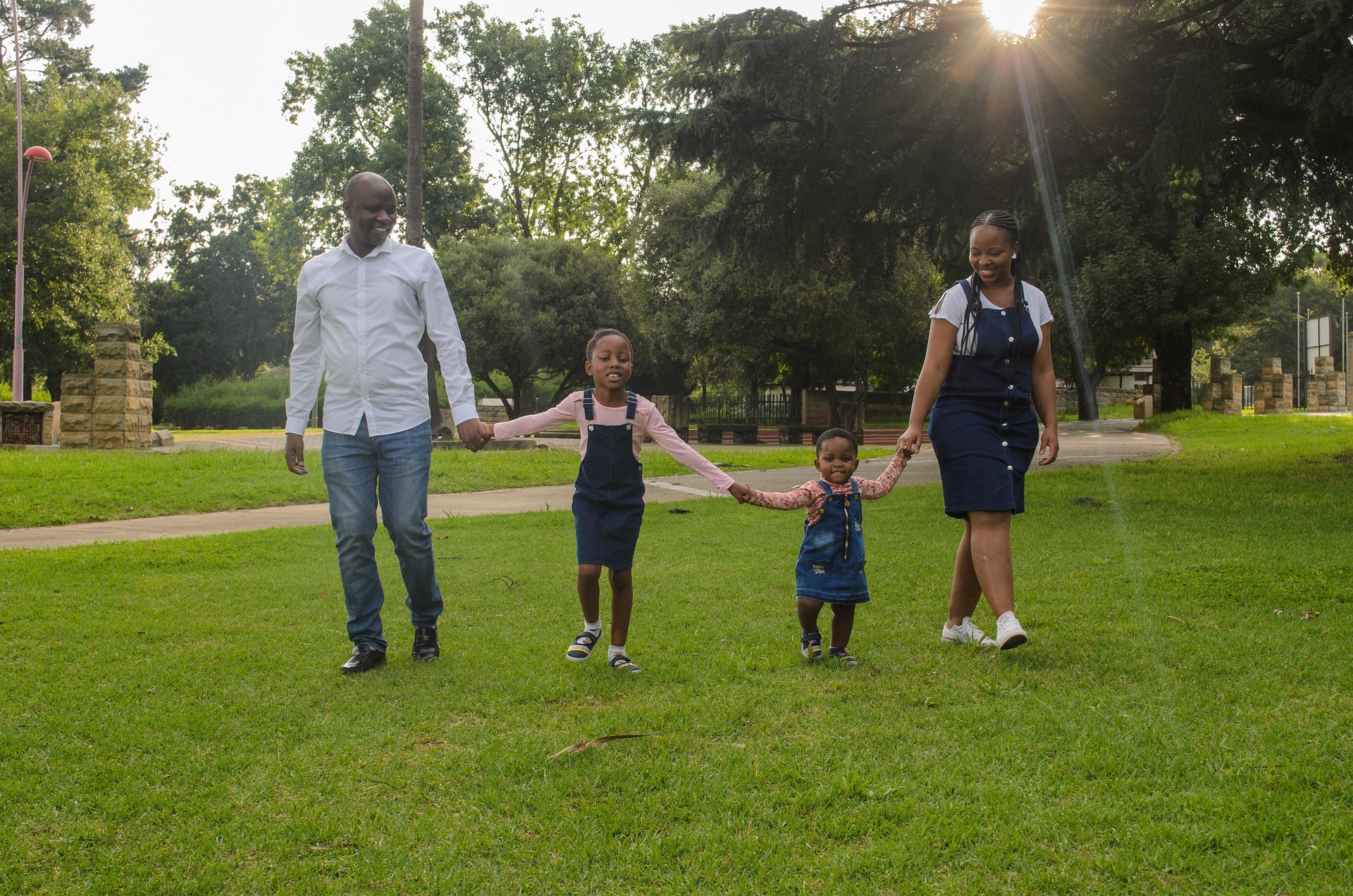
Raising Children with Purpose, Identity, and Biblical Truth
Raising children today can feel overwhelming. Our children are growing up in a world filled with conflicting messages about identity, success, and truth. As Christian parents, guardians, and caregivers, the question becomes: How do we raise children who know who they are, why they were created, and what God says is true?
The good news is that God has not left us without guidance. Scripture offers wisdom, direction, and encouragement for raising children who walk in purpose, stand firm in their identity, and live according to biblical truth.
“Train up a child in the way he should go, and when he is old he will not depart from it.” — Proverbs 22:6 (NKJV)
Raising children with intention does not require perfection, it requires faithfulness, consistency, and a willingness to depend on God.
1. Teaching Children Their God-Given Purpose
Every child is created on purpose and for a purpose. One of the greatest gifts we can give our children is helping them understand that their lives matter to God, not because of achievements, but because they were created by Him.
“For we are His workmanship, created in Christ Jesus for good works.” — Ephesians 2:10 (NKJV)
Purpose begins with knowing God. When children are taught early that their gifts, personalities, and passions are part of God’s design, they grow with confidence rather than comparison. Encourage your children to discover what they enjoy, what they’re good at, and how they can use those gifts to serve others.
Practical ways to nurture purpose:
Pray with your children about their dreams.
Speak life and affirmation over their abilities.
Teach them that serving others is part of God’s plan.
Purpose is not about pressure, it’s about direction.

2. Anchoring Identity in Christ, Not the World
The world constantly tries to define children by appearance, popularity, performance, or success. But the Bible teaches something far more stable: our identity is found in Christ.
“See what great love the Father has lavished on us, that we should be called children of God!” — 1 John 3:1 (NIV)
When children know they are loved by God, chosen, and valued, they are less likely to seek validation from unhealthy sources. Identity rooted in Christ helps children stand firm when faced with peer pressure, insecurity, or rejection.
Ways to reinforce biblical identity:
Regularly remind them they are loved by God.
Teach them Scripture that affirms who they are in Christ.
Correct behavior without attacking identity.
Instead of saying, “You are bad,” say, “That choice wasn’t right, but you are still loved.”
3. Building a Foundation of Biblical Truth at Home
Biblical truth is not something children should only hear at church, it should be lived and modeled at home. Children learn more from what they see than what they hear.
“These words which I command you today shall be in your heart. You shall teach them diligently to your children.” — Deuteronomy 6:6–7 (NKJV)
This doesn’t require long sermons or complicated theology. Simple, consistent exposure to God’s Word can shape a child’s heart over time.
Practical ideas:
Read a short Bible story together daily.
Pray together before school or bedtime.
Discuss real-life situations using biblical principles.
When children see faith practiced naturally, it becomes real and relatable.
4. Creating a Safe Space for Questions and Growth
Children will have questions about God, faith, life, and the world around them. A home grounded in biblical truth should also be a place of grace, honesty, and openness.
“If any of you lacks wisdom, let him ask of God.” — James 1:5 (NKJV)
Encourage questions rather than shutting them down. When children feel safe to express doubts or confusion, they are more likely to develop a genuine and lasting faith.
Remember, faith grows through understanding, not fear.
5. Modeling Faith Through Everyday Life
Children learn faith not only through teaching but through example. How we respond to stress, conflict, forgiveness, and disappointment speaks louder than words.
“Be imitators of me, just as I also am of Christ.” — 1 Corinthians 11:1 (NKJV)
Modeling faith looks like:
Praying during difficult moments.
Apologizing when you’re wrong.
Trusting God openly when things are uncertain.
Your imperfect faith lived authentically will teach your children more than perfection ever could.
6. Trusting God With the Outcome
No parent gets everything right. There will be mistakes, missed moments, and seasons of uncertainty. But God is faithful, and He loves your children even more than you do.
“Commit your way to the Lord, trust also in Him, and He shall bring it to pass.” — Psalm 37:5 (NKJV)
Your role is to plant seeds. God’s role is to grow them.
Conclusion: Raising Children for God’s Glory
Raising children with purpose, identity, and biblical truth is a daily journey, not a destination. It’s built through prayer, presence, patience, and trust in God’s grace.
You are not raising children alone. God walks with you, equips you, and strengthens you for the task. As you remain faithful, He will remain faithful too.
“The Lord bless you and keep you.” — Numbers 6:24 (NKJV)

Facebook
Instagram
Youtube
TikTok
Facebook
Website
LinkedIn