
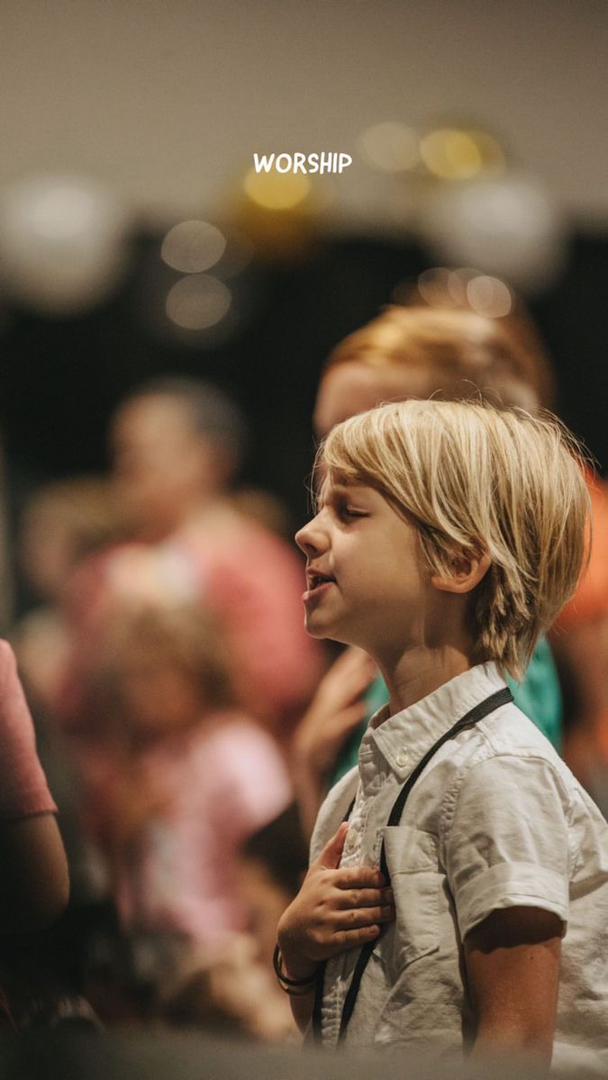
Teaching Children the Importance of Worship
Worship is one of the most meaningful ways believers express their love and gratitude to God. For children, learning the importance of worship helps them grow spiritually and develop a personal relationship with God from an early age. When parents and caregivers intentionally teach children about worship, they are laying a strong foundation of faith that can guide them throughout their lives.
In many homes, worship may seem like something that only happens during church services. However, worship is much more than singing songs on Sunday. It is a lifestyle of honoring God with our hearts, words, and actions. Teaching children this truth helps them understand that worship can be part of their everyday life.
Understanding What Worship Means
Before children can truly value worship, they need to understand what it means. Worship is simply showing love, honor, and praise to God. It involves thanking Him for His blessings, praising Him for who He is, and recognizing His presence in our lives.
The Bible reminds us of the importance of heartfelt worship.
John 4:24 says:
"God is spirit, and his worshipers must worship in the Spirit and in truth."
For children, worship can begin with simple practices such as singing songs about God, praying, reading Bible stories, and thanking Him for the good things in their lives. These small acts help them develop a habit of acknowledging God daily.
Why Teaching Worship to Children Is Important
Children are in a stage of life where they are learning values and forming habits. Teaching them about worship during this time helps them build a strong spiritual identity.
1. Worship Helps Children Know God
Through worship, children learn about God’s love, kindness, and power. When they sing worship songs or listen to Bible stories, they begin to understand who God is and how much He cares for them.
Psalm 95:6 encourages us:
"Come, let us bow down in worship, let us kneel before the Lord our Maker."
When children see worship modeled by parents and church leaders, they learn that God deserves respect, love, and praise.
2. Worship Builds Gratitude
Children often learn to ask for things quickly, but worship teaches them to give thanks. Gratitude is an important spiritual quality that helps children appreciate God's blessings.
Encouraging children to thank God during prayers or worship songs helps them develop a thankful heart.
Psalm 100:4 reminds believers:
"Enter his gates with thanksgiving and his courts with praise; give thanks to him and praise his name."
When children grow up expressing gratitude through worship, they become more aware of God’s goodness in their lives.
3. Worship Strengthens Faith
Worship creates opportunities for children to connect emotionally and spiritually with God. Singing praise songs, listening to Bible teachings, and praying together helps them understand that God is present and active in their lives.
Faith grows when children repeatedly experience moments of worship both at home and in church.
Romans 10:17 says:
"Consequently, faith comes from hearing the message, and the message is heard through the word about Christ."
When worship includes reading Scripture and talking about God, children’s faith gradually becomes stronger.
Practical Ways to Teach Children the Importance of Worship
Teaching children about worship does not require complicated programs or long sermons. Simple and consistent practices often have the greatest impact.
1. Be a Living Example
Children learn most effectively by observing the adults around them. When parents show genuine love for worship—singing in church, praying sincerely, and speaking about God with joy—children naturally begin to imitate those behaviors.
If children see worship as something meaningful to their parents, they are more likely to value it themselves.
2. Create Family Worship Time
Family devotion time is a powerful way to introduce children to worship. This can be as simple as reading a short Bible passage, singing a worship song, and praying together.
Even a few minutes each day can help children see worship as a normal and joyful part of life.
Joshua 24:15 expresses this commitment:
"But as for me and my household, we will serve the Lord."
Family worship strengthens both faith and family relationships.
3. Use Music and Songs
Children often connect deeply with music. Worship songs with simple lyrics help them remember biblical truths while expressing praise to God.
Singing together during car rides, at bedtime, or during family devotion can make worship enjoyable and memorable for children.
Psalm 150:6 says:
"Let everything that has breath praise the Lord. Praise the Lord."
Music allows children to express praise in a way that feels natural and joyful.
4. Encourage Participation in Church
Church services provide children with a community where they can experience worship with others. Seeing other believers worship together teaches them that praising God is an important part of Christian life.
Many churches offer children’s ministries that include worship songs, Bible lessons, and activities designed specifically for young learners.
These experiences help children feel connected to the larger body of believers.

5. Explain the Meaning Behind Worship
Sometimes children participate in worship without fully understanding its purpose. Parents and teachers can gently explain why believers sing, pray, and praise God.
For example, parents might explain that singing praises is a way of telling God how much we love Him, while prayer is a way of talking with Him.
Helping children understand the meaning behind these actions makes worship more meaningful.
The Long-Term Impact of Teaching Worship
When children grow up learning the importance of worship, they develop habits that can stay with them for life. Worship teaches humility, gratitude, and trust in God.
It also reminds them that God is worthy of praise in every season during joyful moments and difficult times.
Proverbs 22:6 offers this encouraging reminder:
"Start children off on the way they should go, and even when they are old they will not turn from it."
By teaching worship early, parents and caregivers help children build a lasting spiritual foundation.
Final Thoughts
Teaching children the importance of worship is not about perfection or long religious routines. It is about helping them discover joy in praising God and recognizing His presence in their lives.
Through simple acts; singing together, praying as a family, reading Scripture, and attending church, children can grow to understand that worship is a beautiful way to connect with God.
As they learn to worship with sincere hearts, they develop faith that can guide them through life’s challenges and blessings.
When families intentionally make worship part of daily life, they create an environment where children can grow spiritually and learn to love God deeply.

Facebook
Instagram
Youtube
TikTok
Facebook
Website
LinkedIn