
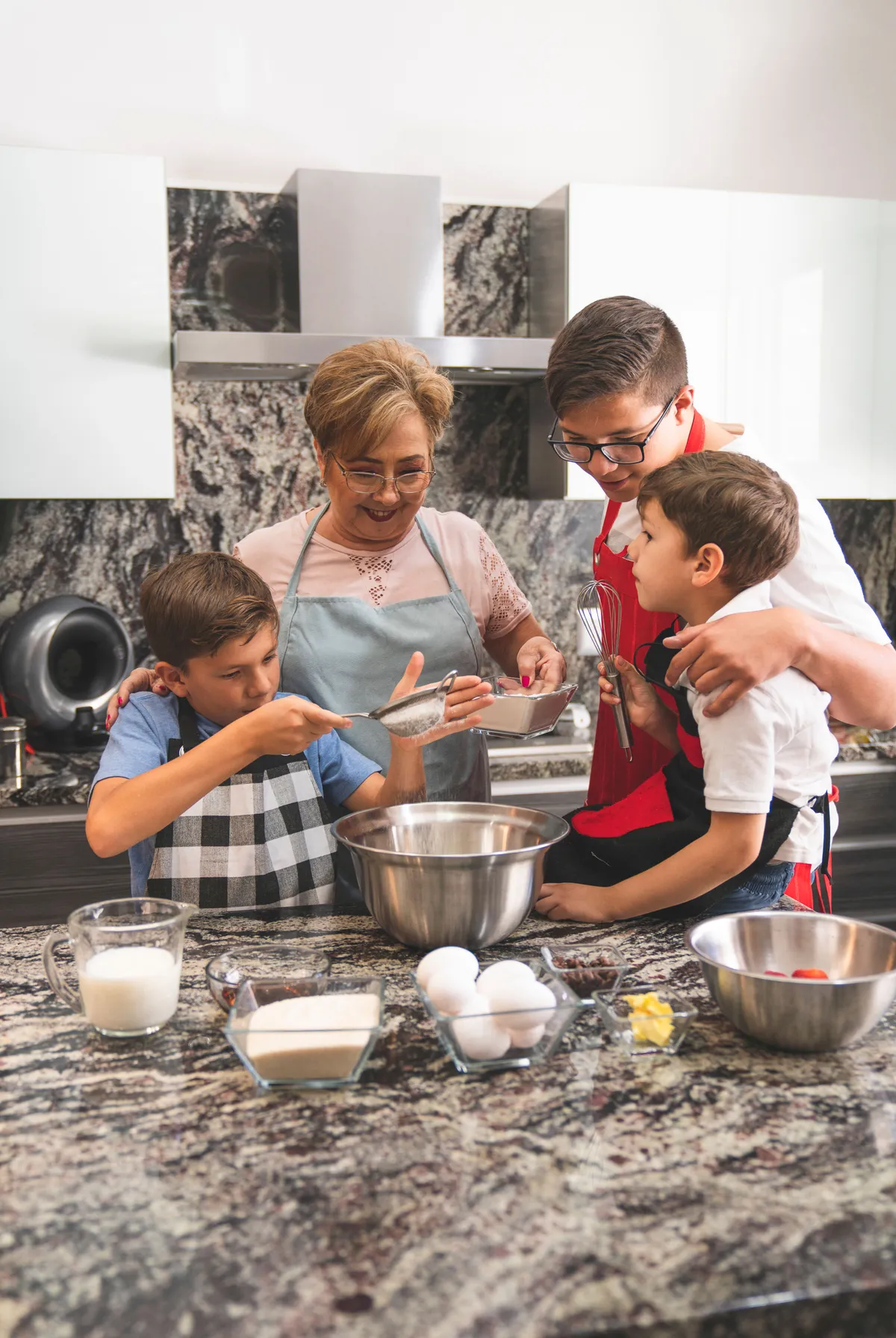
Teaching Children Basic Cooking Skills Through Family Life
Teaching children basic cooking skills is one of the practical ways parents prepare them for everyday life. Cooking is more than preparing meals. It teaches responsibility, patience, teamwork, creativity, and independence. When children take part in preparing family meals, they learn useful skills while spending meaningful time with the people they love.
In a busy home, it is easy for parents to handle all the cooking themselves. Allowing children to help might seem like extra work, especially when time is limited. However, small activities such as washing vegetables, stirring ingredients, arranging plates, or measuring flour provide valuable learning opportunities.
For Christian families, cooking together also offers opportunities to practice gratitude, serve others, and appreciate God's provision. Parents do not need to turn every meal into a formal lesson. Everyday moments in the kitchen are enough to begin teaching children skills they will carry into adulthood.
1. Start With Simple, Age-Appropriate Tasks
Children learn at different speeds, so cooking lessons should match their age, abilities, and level of understanding. Parents do not need to teach everything at once. Start with simple tasks and gradually introduce more responsibility as children gain confidence.
Younger children might help wash fruits, tear lettuce, arrange bread on a plate, or mix ingredients in a bowl. Older children can learn to measure ingredients, prepare simple sandwiches, crack eggs with supervision, and follow basic recipes. Teenagers can gradually learn to prepare complete meals, plan a shopping list, and manage cooking times.
The goal is not to make children responsible for feeding the entire family. It is to help them develop useful life skills in a safe and supportive environment.
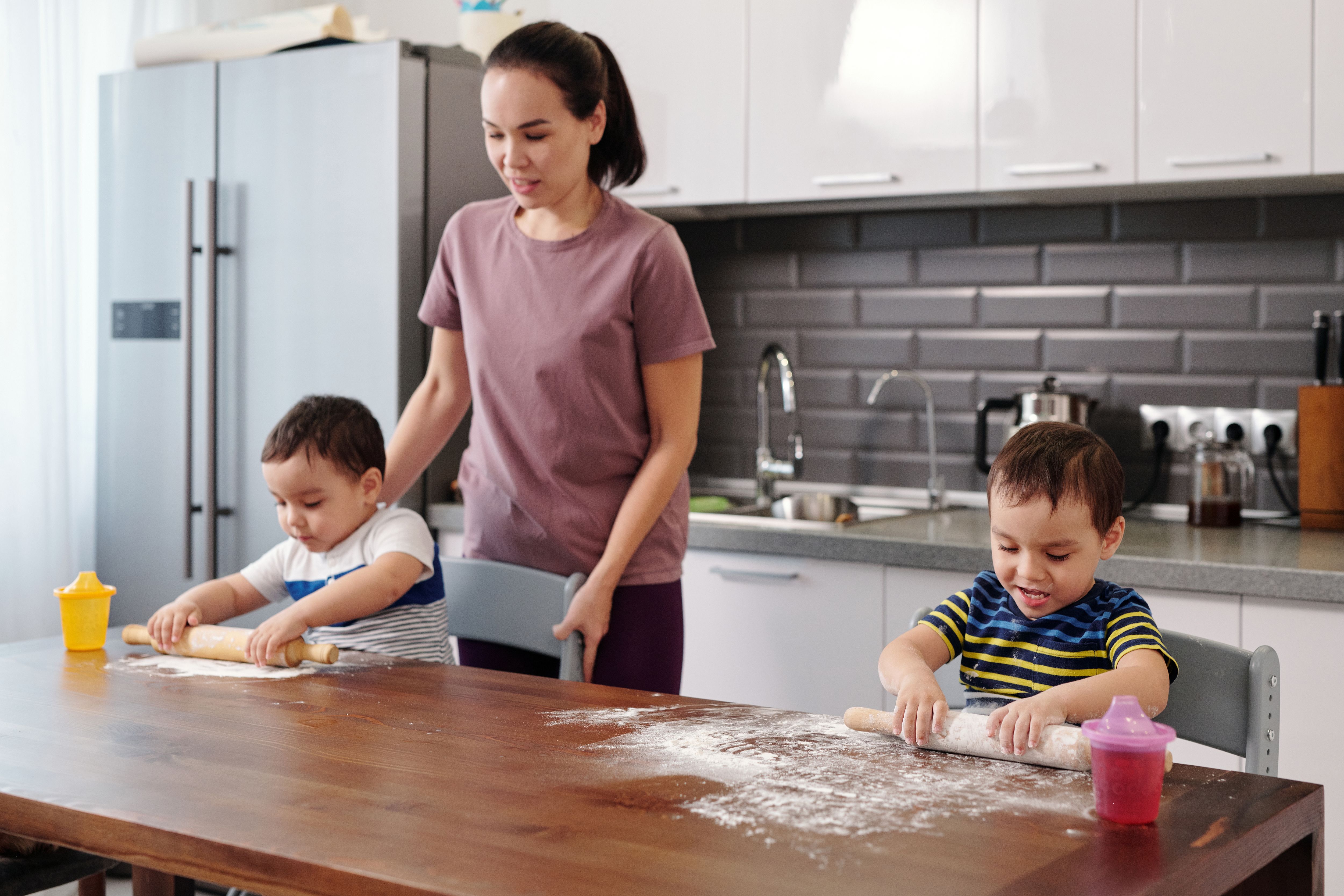
Give clear instructions and demonstrate each task before asking your child to try it. Be patient when the result is not perfect. A little spilled flour or an unevenly cut piece of fruit is part of learning.
2. Make Cooking a Family Activity
Family life provides natural opportunities to teach cooking. Instead of treating the kitchen as a place where only adults work, invite children to participate in preparing meals.
For example, one child might wash vegetables while another sets the table. A teenager could help prepare a side dish while a parent handles the main meal. These simple activities help children understand that running a home involves cooperation.
Cooking together also creates opportunities for conversation. Parents and children might discuss school, friendships, family plans, or something interesting that happened during the day. These ordinary conversations help strengthen family relationships.
When children feel included, they begin to understand that their contributions matter. Even a small task, such as arranging fruit for dessert, gives them a chance to participate in family life.
Ecclesiastes 4:9 (NKJV) says, “Two are better than one, Because they have a good reward for their labor.”
Although this verse speaks broadly about the value of working together, its principle applies to family activities. Working together helps family members share responsibilities, support one another, and enjoy the results of their efforts.
3. Teach Kitchen Safety From the Beginning
Before children begin using kitchen equipment, teach them how to stay safe. Cooking is a valuable skill, but it involves risks that children need to understand.
Explain that knives, hot pans, boiling water, ovens, and electrical appliances require care. Young children should not handle these items independently. Adults should decide which tasks are appropriate for each child and provide close supervision.
Teach children to wash their hands with soap and water before preparing food and after handling raw meat, poultry, seafood, or eggs. Show them how to keep raw foods separate from ready-to-eat foods and how to clean surfaces after food preparation.
Children should also learn to:
Keep their hands and clothing away from hot surfaces.
Turn pot handles inward so they are less likely to be knocked over.
Use oven mitts when an adult has taught them how to handle hot cookware safely.
Clean up spills promptly to prevent slipping.
Ask an adult for help whenever they are unsure about a task.
Avoid tasting raw dough or uncooked foods that could carry harmful germs.
Never assume that a child understands a safety rule because they have heard it once. Repeat instructions and demonstrate safe habits regularly.
Teaching safety early helps children develop respect for the kitchen while gaining confidence in their abilities.
4. Help Children Learn Basic Food Preparation
Children do not need complicated recipes to become comfortable in the kitchen. Begin with familiar foods your family already enjoys.
You might teach them how to prepare a fruit salad, make a simple sandwich, mix pancake batter, wash rice, measure ingredients, or assemble a vegetable salad. Older children, under appropriate supervision, can learn to cook eggs, prepare pasta, or make a simple soup.
Choose one skill at a time. For example, spend one afternoon teaching your child how to measure ingredients accurately. On another day, show them how to read a recipe and identify the steps that need to be completed first.
Explain why certain steps matter. Washing produce helps remove dirt and some surface contaminants. Measuring ingredients helps recipes turn out more consistently. Preparing ingredients before cooking makes the process easier to manage.
As children grow more confident, invite them to choose a simple recipe and help prepare it. This encourages independence and gives them a sense of achievement.
5. Teach Patience and Responsibility
Cooking does not always go according to plan. Food might take longer than expected, a recipe might not turn out as intended, or a child might make a mistake while measuring ingredients.
These moments provide opportunities to teach patience and responsibility.
Instead of criticizing a child for making a mistake, help them understand what happened and how to improve next time. If they spill flour, show them how to clean it up. If they add too much water, explain how following measurements affects the result.
Children also need to learn that cooking involves more than preparing food. Cleaning utensils, wiping work surfaces, storing ingredients properly, and putting items away are part of the process.
Parents should demonstrate these habits themselves. Children are more likely to learn responsibility when they see adults practicing it consistently.
Galatians 6:9 (NKJV) encourages believers not to grow weary while doing good. Although the verse addresses perseverance in doing good, it also offers a helpful reminder that learning takes time. Children need repeated opportunities to practice before a skill becomes familiar.
Celebrate effort and improvement rather than expecting perfection. The purpose is to help children learn, not to judge them by the quality of every meal.
6. Use Cooking to Teach Gratitude and Christian Values
For Christian families, the kitchen can become a place where children learn to appreciate God's provision and recognize the effort that goes into feeding a household.
Talk about where food comes from, how farmers grow crops, and how many people contribute to bringing food to the table. Help children understand that preparing a meal often involves planning, work, money, and cooperation.
Before eating, invite children to participate in a family prayer of thanksgiving. Explain that prayer is an opportunity to express gratitude to God for food, the people who prepared it, and the provision the family receives.
1 Thessalonians 5:18 (NKJV) says, “in everything give thanks; for this is the will of God in Christ Jesus for you.”
Parents can use mealtimes to teach children to appreciate what they have rather than take it for granted. This lesson does not require expensive ingredients or elaborate meals. A simple meal prepared with care offers an opportunity to practice gratitude.
Cooking can also teach service. Encourage children to help prepare food for a family member who is unwell, welcome guests, or share a meal with someone in need when the family is able to do so.
Through these experiences, children begin to understand that practical skills are valuable ways to care for others.
7. Teach Children About Healthy Eating Without Shame
Learning to cook gives children a better understanding of the food they eat. Parents can explain how different foods contribute to a balanced diet and why variety matters.
Invite children to help prepare meals containing vegetables, fruits, grains, protein-rich foods, and other ingredients that meet their family's nutritional needs. Talk about drinking water, eating regular meals, and enjoying a variety of foods.
Avoid making children feel guilty or ashamed about enjoying particular foods. Instead, focus on balance, nourishment, and developing habits that support their well-being.
Allow children to explore different ingredients and textures. Some children need repeated, pressure-free opportunities to become comfortable with unfamiliar foods. Respect their individual needs and avoid turning mealtimes into battles.
Parents should also consider allergies, dietary restrictions, cultural food traditions, and the family's budget when choosing recipes. Children can learn to prepare nourishing meals using familiar, affordable ingredients.
8. Give Children Opportunities to Make Choices
Children develop confidence when parents allow them to make appropriate decisions.
Ask your child to choose between two family-approved meals, select vegetables for a salad, or help decide what the family should prepare for a special occasion. Older children can help create a weekly meal plan and prepare a shopping list.
These activities teach planning, decision-making, budgeting, and organization. They also help children understand that meals require preparation before anyone sits down to eat.
When possible, let children take ownership of a small part of the cooking process. An older child might prepare breakfast on a weekend morning under agreed safety rules, while a younger child could arrange fruit for the family.
Offer guidance without taking over every task. Children need room to practice, ask questions, and improve.
9. Make Room for Imperfection and Keep It Enjoyable
One reason parents hesitate to involve children in cooking is that it often takes longer when little hands are helping. The kitchen might become messy, instructions might need repeating, and the meal might not look the way an adult expected.
These challenges are normal.
Choose a time when you are not rushing to get dinner on the table. Begin with short activities and gradually increase the time as your child develops skills. On busy evenings, a simple task such as washing fruit might be enough.
Avoid comparing siblings or expecting every child to enjoy cooking in the same way. One child might love measuring ingredients, while another prefers arranging food or helping with the shopping list. Respect their interests while encouraging them to learn essential skills.
Most importantly, let children know that their worth is not tied to how useful they are in the kitchen. Cooking is one way to help them grow, but it should never become a measure of their value within the family.
Parents do not need to create perfect teaching moments. Consistent encouragement and shared experiences matter more than elaborate lessons.
Conclusion
Teaching children basic cooking skills through family life is an investment in their independence, confidence, and relationships. Every time children help wash vegetables, prepare a simple meal, or clean up after cooking, they gain experience that will serve them as they grow.
For Christian families, these moments also provide opportunities to model gratitude, patience, responsibility, and service. Parents can teach these values through everyday actions, honest conversations, and the example they set at home.
Start small. Invite your child into the kitchen, choose a simple task, and give them room to learn. The meal might take a little longer, but the time spent together is worthwhile.
Your child does not need to become an expert cook. They need the opportunity to learn, make mistakes, develop confidence, and understand that caring for themselves and others is an important part of everyday life.

Facebook
Instagram
Youtube
TikTok
Facebook
Website
LinkedIn