
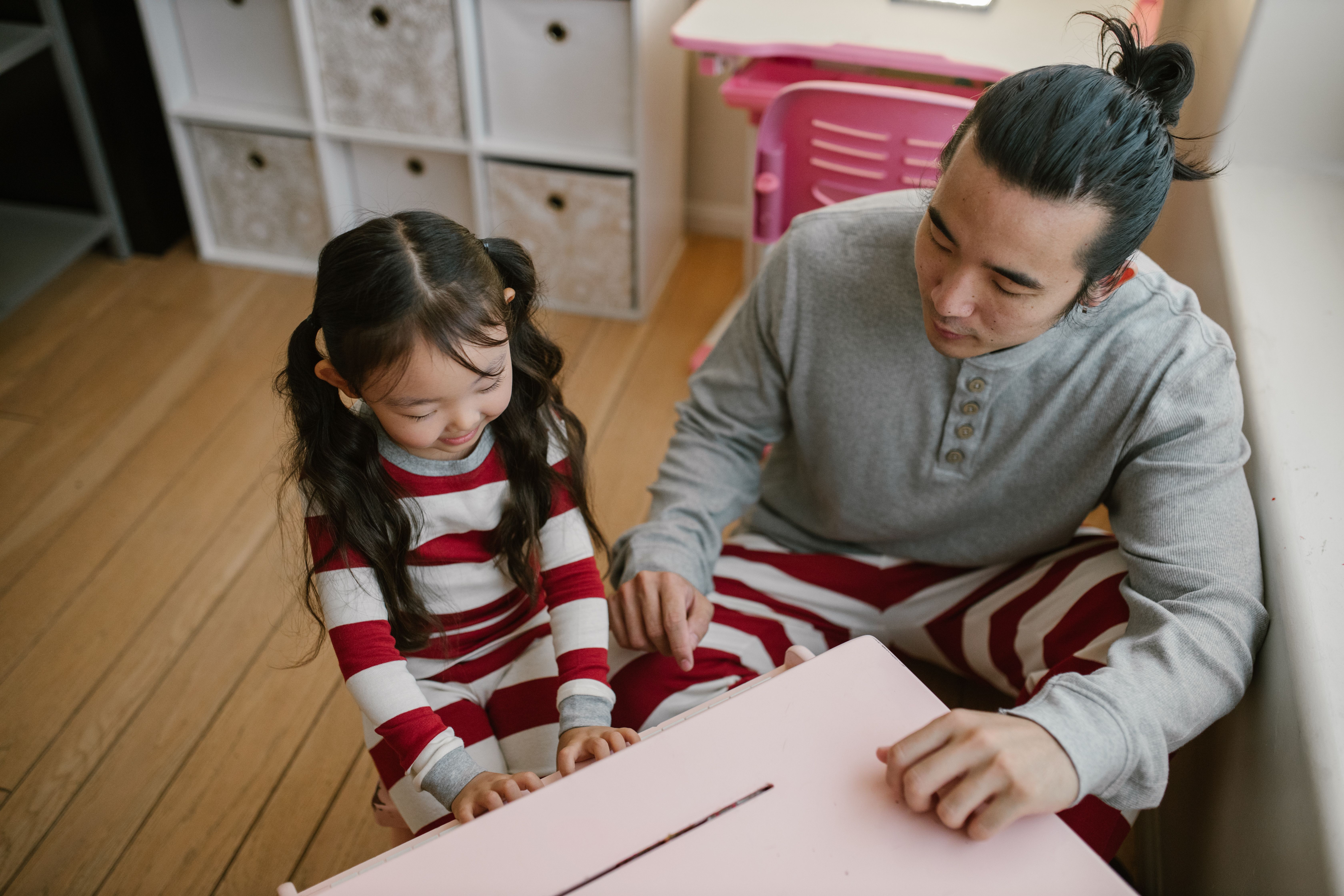
How to Involve Children in Household Responsibilities Without Overburdening Them
A home is more than a place where a family eats, sleeps, and spends time together. It is also where children learn important life lessons, develop good habits, and understand what it means to care for others. Some of these lessons happen through everyday activities, including making their beds, putting away toys, arranging their belongings, helping with meals, and keeping shared spaces tidy.
As parents, it is natural to want to make life easier for our children. We want them to enjoy their childhood, focus on school, and have enough time to play and rest. However, protecting children from every household responsibility does not always prepare them for the responsibilities they will face as they grow older.
At the same time, children should not carry responsibilities that are too demanding for their age or take away their opportunity to enjoy childhood. The goal is not to turn children into little adults or make them responsible for running the home. It is to teach them that everyone in a family has a part to play.
Finding this balance takes patience, understanding, and consistency. Here are practical ways to involve children in household responsibilities without overwhelming them.
1. Start With Age-Appropriate Responsibilities
One of the most important things parents should consider is their child's age and ability. A task that is easy for a teenager might be difficult for a young child. Expecting children to complete responsibilities beyond their developmental level often leads to frustration for both parents and children.
Young children can begin with simple activities such as putting toys back in their boxes, placing dirty clothes in the laundry basket, or arranging their shoes. As they grow older, they can learn to make their beds, wipe tables, water plants, and help set the dining table.
Older children and teenagers can gradually take on more demanding responsibilities, such as preparing simple meals, washing dishes, organizing shared spaces, or doing their laundry.
The important thing is to increase responsibilities as children develop the skills and confidence to handle them.
Parents should also remember that children develop at different rates. Two children of the same age might have different abilities. Pay attention to what your child is ready to do rather than comparing them with other children.
2. Explain Why Household Responsibilities Matter
Children are more likely to understand household responsibilities when they know why they are important.
Instead of simply telling a child to clean their room, explain how keeping their space tidy makes it easier to find their belongings and creates a more comfortable environment.
When children help prepare meals, explain that preparing food is one way families care for one another. When they help arrange the living room, remind them that everyone enjoys using a clean and welcoming space.
These small conversations help children understand that household responsibilities are connected to consideration, cooperation, and family life.
The Bible teaches the importance of serving others with love.
Galatians 5:13 (NKJV) says, "through love serve one another."
This verse provides a meaningful lesson for children. Helping around the home is one practical way to show love and consideration for the people they live with.
Rather than presenting chores as punishment, help children see them as opportunities to contribute to the well-being of the family.

3. Make Household Responsibilities a Shared Family Effort
Children should not feel that they are the only ones expected to keep the home in order. Household responsibilities should be shared among family members according to their abilities.
When children see their parents participating in everyday household activities, they learn through example.
For instance, a parent who washes dishes, prepares meals, and keeps shared spaces tidy demonstrates that caring for the home is everyone's responsibility. Children begin to understand that these activities are part of normal family life.
You can also turn certain responsibilities into family activities. Everyone can spend a few minutes tidying the living room, arranging the kitchen, or preparing for the week ahead.
Working together helps children understand teamwork. It also creates opportunities for conversation, laughter, and connection.
A family should feel like a team, not a workplace where children are constantly being instructed.
4. Keep Responsibilities Simple and Manageable
One reason children become overwhelmed by household responsibilities is that they are sometimes given too many tasks at once.
Imagine a child returning from school after a long day and being expected to complete several chores, finish homework, prepare for the next day, and still have time for other activities. This can become exhausting.
Instead of giving children a long list of responsibilities, start with a few simple tasks they can manage consistently.
For example, a child might be responsible for putting away their school bag, arranging their shoes, and placing dirty clothes in the laundry basket.
Once these activities become familiar, you can gradually introduce another responsibility.
It is also helpful to remember that children need time to rest, play, study, and enjoy relationships with family and friends.
Household responsibilities should support their development, not take over their daily lives.
5. Teach Them How to Complete Each Task
Sometimes, children fail to complete household responsibilities properly because nobody has shown them how to do them.
Parents might assume that making a bed, folding clothes, or washing a plate is easy. However, these activities involve skills that children need time to learn.
Rather than becoming frustrated when a child does something incorrectly, demonstrate the task first.
For example, if you want your child to learn how to arrange their bed, show them how to spread the bedsheet, arrange the pillows, and fold their blanket.
Allow them to practise while you offer gentle guidance.
Their first attempts might not look perfect. Clothes might be folded unevenly, toys might not be arranged exactly as you prefer, and the dining table might need a little adjustment.
That is part of learning.
Give children room to improve instead of correcting every small mistake. The goal is to help them develop useful skills and become more confident over time.
6. Create a Routine That Works for the Family
Children benefit from routines because they know what to expect. When household responsibilities become part of everyday family life, they are less likely to feel like unexpected demands.
You might establish a simple morning routine that includes making the bed, arranging personal belongings, and preparing for school.
In the evening, children might put away their toys, place dirty clothes in the laundry basket, and help prepare their school items for the following day.
Weekend responsibilities can include tidying bedrooms, watering plants, or helping with meal preparation.
However, routines should remain flexible. There will be days when children are tired, unwell, busy with school activities, or dealing with other challenges.
Parents should be willing to adjust expectations when necessary.
Consistency is important, but it should never come at the expense of understanding.
7. Avoid Using Chores as a Constant Form of Punishment
Household responsibilities should teach children cooperation and accountability. They should not become something children associate only with anger, punishment, or criticism.
If every mistake results in additional chores, children might begin to see helping around the home as something negative.
For example, if a child forgets to put away their toys, calmly remind them to complete the task. Explain why it matters and give them an opportunity to correct their mistake.
There are situations where a related consequence is appropriate. A child who leaves toys scattered around might need to put them away before moving on to another activity.
However, the purpose should be to teach responsibility, not create resentment.
Parents should correct children with patience and avoid using household responsibilities to shame or embarrass them.
Colossians 3:21 (NKJV) says, "Fathers, do not provoke your children, lest they become discouraged."
This verse reminds parents to consider how their words and actions affect their children. Discipline should guide children towards growth, not leave them feeling constantly inadequate.
8. Appreciate Their Efforts Without Demanding Perfection
Children need encouragement as they learn new responsibilities.
A simple expression of appreciation can help them understand that their efforts matter. When a child helps arrange the dining table or cleans up after playing, acknowledge what they have done.
You might say:
"Thank you for helping to keep our home tidy."
"I appreciate the effort you put into arranging your room."
"You are learning to take good care of your belongings."
"Thank you for thinking about the rest of the family."
Appreciation does not mean praising every little thing excessively or making children dependent on rewards. It means recognizing their efforts and encouraging positive habits.
Avoid making perfection the standard. Children will forget tasks, make mistakes, and sometimes need reminders. These experiences are part of growing up.
When parents focus only on what children did wrong, children might begin to feel that their efforts are never enough.
A little encouragement can make learning more enjoyable and strengthen family relationships.
9. Make Room for Rest, Play, and Childhood
Children need responsibilities, but they also need time to be children.
Playing, exploring, reading, spending time with friends, and enjoying family activities are important parts of childhood. These experiences support social, emotional, and physical development.
A child should not spend most of their free time managing household duties.
Parents should consider the demands of school, extracurricular activities, sleep, and the child's overall well-being when assigning responsibilities.
For example, a child preparing for an important examination might need fewer household tasks during that period. A younger child might need shorter activities with more supervision.
It is also important to avoid giving children responsibilities that belong to adults.
Children should not be expected to manage household finances, take full responsibility for younger siblings, or carry the emotional burden of solving family problems.
Helping with family life is different from being made responsible for the family.
The goal is to raise children who understand responsibility while still enjoying the care, protection, and freedom they need during childhood.
10. Teach Responsibility Through Your Own Example
Children learn many habits by observing the adults around them. They notice how parents treat their belongings, respond to unfinished tasks, and contribute to family life.
If parents expect children to be responsible but regularly avoid their own responsibilities, children might struggle to understand why these expectations matter.
This does not mean parents must be perfect. There will be days when the house is untidy, meals are delayed, or responsibilities are forgotten.
What matters is demonstrating a willingness to take responsibility and make things right.
You can also talk openly about how family members help one another.
Philippians 2:4 (NKJV) teaches:
"Let each of you look out not only for his own interests, but also for the interests of others."
This principle is useful in teaching children to think beyond their individual needs.
When children learn to consider how their actions affect others, they begin to understand the value of cooperation, kindness, and service.
11. Adjust Responsibilities as Your Children Grow
The responsibilities children are ready to handle will change as they grow older.
A young child who starts by putting away toys might eventually learn to organize their bedroom. A child who begins by helping wash vegetables might later learn to prepare a simple meal.
As children become more capable, give them opportunities to take greater responsibility for their personal belongings and shared spaces.
It is also helpful to involve them in conversations about household routines. Ask whether their current responsibilities feel manageable and whether they understand what is expected of them.
Listening to their feedback does not mean allowing them to avoid every task. It means teaching them that responsibility and communication go together.
As they grow, encourage them to recognize what needs to be done without always waiting for instructions.
This gradual process prepares them for greater independence while reminding them that they are supported.
Conclusion
Involving children in household responsibilities is an important part of raising responsible, thoughtful, and independent individuals. However, teaching responsibility should never mean placing adult expectations on young shoulders.
Children need guidance, patience, encouragement, and enough room to learn at their own pace. Start with simple tasks, demonstrate what you expect, appreciate their efforts, and adjust responsibilities as they grow.
Most importantly, let household responsibilities become an opportunity to build family relationships rather than a constant source of conflict.
Remember that the goal is not to raise children who complete every household task perfectly. It is to raise children who understand cooperation, value the people around them, and recognize the importance of contributing to a shared home.
These lessons begin with small everyday activities, but their impact can follow children into adulthood.
A loving home teaches children that everyone matters, every contribution has value, and serving one another is one meaningful way to show love.

Facebook
Instagram
Youtube
TikTok
Facebook
Website
LinkedIn