
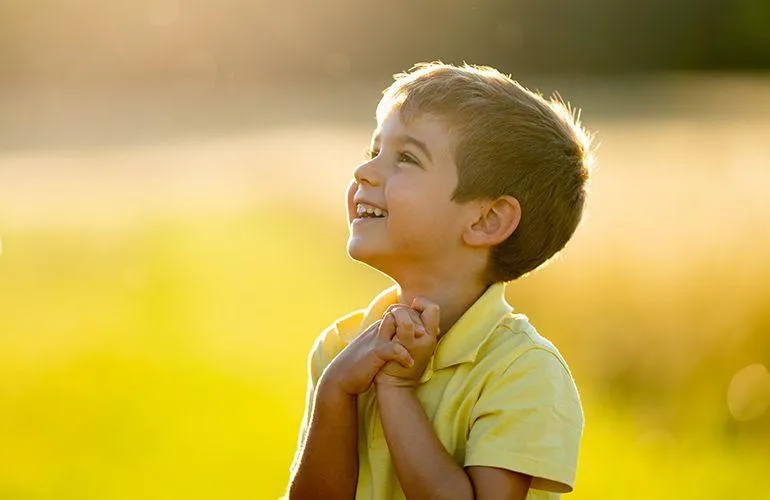
Teaching Children to Be Content and Thankful
In a world filled with advertisements, comparisons, and constant pressure to want more, teaching children contentment and gratitude has never been more important. Many children grow up surrounded by messages that say happiness comes from having the newest toy, the latest trend, or getting everything they ask for. But as parents, we know that true joy does not come from possessions, it comes from a thankful heart and trust in God.
Contentment is the ability to appreciate what we have instead of always focusing on what we lack. Gratitude is the habit of recognizing blessings and expressing thanks. These qualities help children grow into emotionally healthy, kind, and faith-filled adults.
The good news is that contentment and thankfulness can be taught at home through daily examples, conversations, and biblical truth.
1. Teach Children That Joy Does Not Come From Things
Children naturally desire things they see around them. That is normal. However, they need guidance to understand that possessions do not create lasting happiness.
The Bible teaches:
Luke 12:15 (NKJV):
“Take heed and beware of covetousness, for one’s life does not consist in the abundance of the things he possesses.”
This verse reminds us that life is more than material things. Children need to hear that their worth is not based on what they own, wear, or receive.
You can teach this by saying:
“We are thankful for what we have.”
“Things can be enjoyable, but they do not define us.”
“Real joy comes from God, love, and relationships.”
When children learn this early, they become less controlled by comparison and peer pressure.
2. Model Gratitude in Everyday Life
Children often learn by watching their parents. If they hear constant complaining, they may develop the same habit. But if they hear gratitude, they learn to be thankful.
1 Thessalonians 5:18 (NKJV):
“In everything give thanks; for this is the will of God in Christ Jesus for you.”
Simple ways to model gratitude:
Thank God for meals
Express appreciation for simple blessings
Thank your spouse and children openly
Speak positively instead of always complaining
For example:
“Thank You, Lord, for this food.”
“I’m thankful we have a safe home.”
“Thank you for helping today.”
These small habits create a thankful atmosphere in the home.
3. Help Children Recognize Blessings
Sometimes children focus only on what they don’t have because they fail to notice what they already have.
Teach them to identify blessings such as:
Family love
Food and shelter
Friends
Health
Education
God’s care
James 1:17 (NKJV):
“Every good gift and every perfect gift is from above…”
A helpful habit is asking at the end of each day:
What are three things you are thankful for today?
What made you smile today?
How did God bless you today?
This helps shift their thinking from lack to appreciation.
4. Teach Contentment Through Delayed Gratification
Children do not always need everything immediately. Waiting can teach patience, self-control, and gratitude.
If a child asks for something, it is okay to say:
“Not right now.”
“Let’s save for it.”
“We can talk about it later.”
This teaches that every desire does not need instant fulfillment.
Philippians 4:11 (NKJV):
“For I have learned in whatever state I am, to be content.”
Contentment is learned. It grows when children understand they can be happy even while waiting.
5. Encourage Generosity
One of the best ways to teach thankfulness is to teach children to give.
When children share toys, help others, or give to those in need, they begin to understand how blessed they are.
Acts 20:35 (NKJV):
“It is more blessed to give than to receive.”
Practical ideas:
Donate gently used toys
Help a neighbor
Give offerings joyfully
Share snacks with friends
Participate in family service projects
Generous children often become thankful children because giving opens their eyes to others.
6. Limit Comparison
Comparison steals gratitude quickly. Children may compare clothes, gadgets, vacations, or achievements.
Teach them that everyone’s story is different and God blesses people in different ways.
Galatians 6:4 (NKJV):
“But let each one examine his own work…”
Help children celebrate others without feeling less than.
Say things like:
“We can be happy for them.”
“God has blessings for us too.”
“Your value is not based on what others have.”
This builds confidence and peace.
7. Create Family Gratitude Traditions
Children remember repeated family moments. Build traditions around thankfulness.
Ideas include:
Gratitude jar: write blessings on paper weekly
Thankful prayer time before bed
Sharing wins at dinner
Thanksgiving month reflection journal
Sunday praise moments after church
These traditions make gratitude practical and memorable.
8. Teach Them to Trust God in Every Season
Contentment is easier when children know God provides. There may be seasons when finances are tight or desires go unmet. Those are powerful teaching moments.
Matthew 6:31–33 (NKJV):
“Therefore do not worry… your heavenly Father knows that you need all these things… seek first the kingdom of God…”
Teach children:
God knows our needs
God provides in His timing
We can trust Him even when we wait
This gives children security beyond material comfort.
9. Correct Entitlement With Love
Sometimes children may act as if they deserve everything. This is common, but it should be corrected gently.
Instead of harsh responses, teach perspective:
“We appreciate what we receive.”
“Nothing should be taken for granted.”
“Let’s say thank you.”
Consistency matters. Children grow when correction is loving and steady.
10. Remember Progress Takes Time
No child becomes perfectly thankful overnight. They are learning, just like adults are learning too.
There will be complaints, impatience, and selfish moments. Use those moments as teaching opportunities rather than signs of failure.
Celebrate progress:
Sharing without being asked
Saying thank you sincerely
Waiting patiently
Showing joy in simple things
Growth often happens little by little.
Conclusion
Teaching children to be content and thankful is one of the greatest gifts you can give them. A grateful child learns joy that is not dependent on possessions. A content child learns peace in every season. These qualities will help them in friendships, marriage, finances, and faith later in life.
The world may tell children they always need more, but God teaches something better: joy in what He has already given.
As you model gratitude, teach biblical truth, encourage generosity, and guide their hearts daily, you are planting seeds that can bless them for life.
Psalm 107:1 (NKJV):
“Oh, give thanks to the Lord, for He is good! For His mercy endures forever.”
May your home be filled with thankful hearts, content minds, and the joy that comes from God.

Facebook
Instagram
Youtube
TikTok
Facebook
Website
LinkedIn