
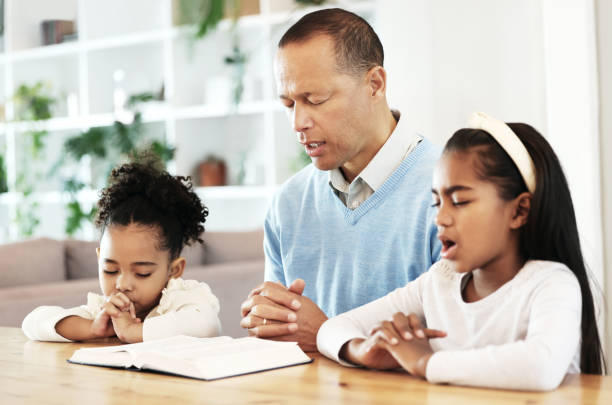
The Biblical Role of a Father in the Home
In today's fast-changing world, many families are asking important questions about what it means to be a father. Culture offers many different opinions, but God's Word provides clear guidance. The Bible presents fatherhood as more than simply providing financially for a family. A father is called to lead, love, teach, protect, and reflect the heart of God within his home.
Fatherhood is one of the greatest responsibilities God can entrust to a man. While no father is perfect, every father can strive to follow God's design and become a source of strength, wisdom, and encouragement for his family.
Let's explore the biblical role of a father and how fathers can build homes that honor God and bless future generations.
1. A Father Is Called to Lead His Family Spiritually
One of the primary roles of a father is spiritual leadership. This does not mean dominating the family or acting as though he has all the answers. Rather, it means guiding the family toward God through his words, actions, and example.
The Bible teaches:
"But as for me and my house, we will serve the Lord." — Joshua 24:15 (NKJV)
A godly father understands that his family's spiritual well-being matters more than anything else. He prioritizes prayer, encourages Bible reading, attends church faithfully, and helps create an environment where faith can grow.
Children learn more from what they see than from what they hear. When they observe their father praying, worshiping, and seeking God during difficult seasons, they gain a powerful example of authentic faith.
Spiritual leadership is not about perfection; it is about consistency and dependence on God.
2. A Father Is Called to Love Like Christ
Biblical fatherhood begins with love. Children thrive when they know they are deeply loved and valued.
Many fathers focus on providing material needs but sometimes overlook emotional connection. Scripture reminds us that love should be at the center of family relationships.
A father's love should reflect God's love, patient, compassionate, forgiving, and unconditional.
The Bible tells us:
"As a father pities his children, so the Lord pities those who fear Him." — Psalm 103:13 (NKJV)
Children need affection, encouragement, and quality time. They need fathers who listen to them, celebrate their successes, and support them through challenges.
A loving father creates a safe place where family members feel seen, heard, and valued.

3. A Father Is Called to Teach God's Truth
Parents are the first and most influential teachers in a child's life. Fathers have a special responsibility to help their children understand God's Word and apply it in daily living.
Scripture says:
"And these words which I command you today shall be in your heart. You shall teach them diligently to your children." — Deuteronomy 6:6-7 (NKJV)
Teaching does not always happen through formal lessons. Some of the most meaningful moments occur during everyday conversations, family meals, car rides, and bedtime routines.
Fathers can teach their children by:
Reading the Bible together
Sharing personal testimonies of God's faithfulness
Discussing biblical values
Praying with their children
Answering questions about faith
These small but intentional moments help lay a strong spiritual foundation that can guide children throughout their lives.
4. A Father Is Called to Discipline with Wisdom and Love
Discipline is often misunderstood. Biblical discipline is not about punishment motivated by anger. It is about loving correction that helps children grow in wisdom and character.
The Bible teaches:
"He who spares his rod hates his son, but he who loves him disciplines him promptly." — Proverbs 13:24 (NKJV)
At the same time, Scripture warns fathers against harshness.
"And you, fathers, do not provoke your children to wrath, but bring them up in the training and admonition of the Lord." — Ephesians 6:4 (NKJV)
Healthy discipline combines truth and grace. It sets clear boundaries while maintaining a loving relationship.
Children need fathers who correct them with patience, explain the reasons behind rules, and model self-control. When discipline is rooted in love, it helps children develop responsibility, respect, and godly character.
5. A Father Is Called to Protect His Family
Protection is another important aspect of biblical fatherhood. While protection may include providing physical safety, it also extends to emotional and spiritual well-being.
A father should strive to protect his family from harmful influences and guide them toward choices that honor God.
This includes:
Guarding the spiritual atmosphere of the home
Encouraging healthy relationships
Providing wisdom during difficult situations
Standing firm during times of uncertainty
Children feel secure when they know their father is present, dependable, and committed to their well-being.
A protective father reflects God's care and faithfulness.
6. A Father Is Called to Provide for His Family
The Bible places value on a father's responsibility to provide for the needs of his household.
Scripture says:
"But if anyone does not provide for his own, and especially for those of his household, he has denied the faith and is worse than an unbeliever." — 1 Timothy 5:8 (NKJV)
Providing goes beyond finances. While meeting practical needs is important, fathers are also called to provide emotional support, encouragement, wisdom, and spiritual guidance.
Many fathers carry significant pressure in this area. It is important to remember that God's definition of successful provision is not based on wealth but on faithful stewardship and loving care.
Children often remember presence more than possessions. A father who is available, attentive, and engaged provides something money can never replace.
7. A Father Should Model Godly Character
Perhaps the greatest influence a father has is the example he sets.
Children watch how their fathers respond to stress, treat others, handle conflict, and pursue God. Whether intentionally or unintentionally, fathers are constantly teaching through their actions.
Paul wrote:
"Imitate me, just as I also imitate Christ." — 1 Corinthians 11:1 (NKJV)
A godly father demonstrates:
Integrity
Humility
Patience
Kindness
Faithfulness
Forgiveness
No father will model these qualities perfectly. There will be mistakes and failures along the way. However, one of the most powerful lessons a father can teach is humility, being willing to admit mistakes and seek forgiveness when necessary.
When Fathers Feel Inadequate
Many fathers today feel overwhelmed by the responsibility of raising a family. Some grew up without positive father figures themselves. Others worry they are not doing enough.
The good news is that God does not call fathers to perfection. He calls them to faithfulness.
The Lord equips those He calls. Through prayer, Scripture, and dependence on the Holy Spirit, fathers can grow into the men God created them to be.
When fathers lean on God's strength rather than their own, they become instruments of His love and grace within their homes.
Conclusion
The biblical role of a father is both a privilege and a sacred responsibility. Fathers are called to lead spiritually, love deeply, teach faithfully, discipline wisely, protect courageously, provide diligently, and model godly character.
While the world offers many conflicting views about fatherhood, God's design remains timeless. A father who seeks to honor God can have a lasting impact not only on his children but also on generations to come.
The goal of biblical fatherhood is not perfection, it is pointing the family toward Christ. As fathers embrace God's calling, they help build homes filled with faith, love, purpose, and hope.
"The righteous man walks in his integrity; His children are blessed after him." — Proverbs 20:7 (NKJV)
A father's greatest legacy is not what he leaves behind for his children, but what he leaves within them.

Facebook
Instagram
Youtube
TikTok
Facebook
Website
LinkedIn